Where Hands Move Slowly and Mountains Remember
Today we wander into Slow Alpine Craft & Culture, meeting patient makers whose days follow snowlines, pasture bells, and the steady hush of workshops. Expect stories of larch wood, stone pine, boiled wool, fermented milk, and designs etched by wind, weather, and ancestry. Linger with us, learn how slowness builds strength, and share questions or memories from your own encounters with mountain artisans so this living conversation continues across valleys, languages, and seasons.

Materials Shaped by Altitude

Above the treeline, resources teach restraint. Larch resists weather with resinous patience, stone pine calms bedrooms with scent, granite offers weight and permanence. Sheep grow dense fleeces, and flax finds brief summers for fiber. Makers choose what the mountain grants, not what catalogs promise, turning scarcity into intention and celebrating durability over display through tactile decisions that honor landscape limits and the wisdom of long, careful stewardship.

Seasons as the Workshop Clock

When snow compacts paths, hands return to benches for carving, weaving, mending. Spring opens rivers for felting and washing. Summer drives herds uphill, and evenings become classrooms for knotwork and knife sharpening. Autumn smoke signals curing cheeses, drying herbs, tanning leather. Nothing is rushed; every task finds its season, creating a rhythm that feeds skill with rest and reflection, letting quality ripen like a pasture deepening in color.

A Bell Foundry Above the Gorge

In a village perched over a rushing stream, a family pours bronze into clay molds packed with river sand and straw. Each bell must sing the valley’s voice, tuned against wind and cattle steps. A daughter learned by listening, not counting. She still tests pitch outside, letting echoes measure truth. Locals recognize her sound during autumn drives, proof that care travels farther than the maker’s footprints or nameplate.

Edge, Grain, and Patience

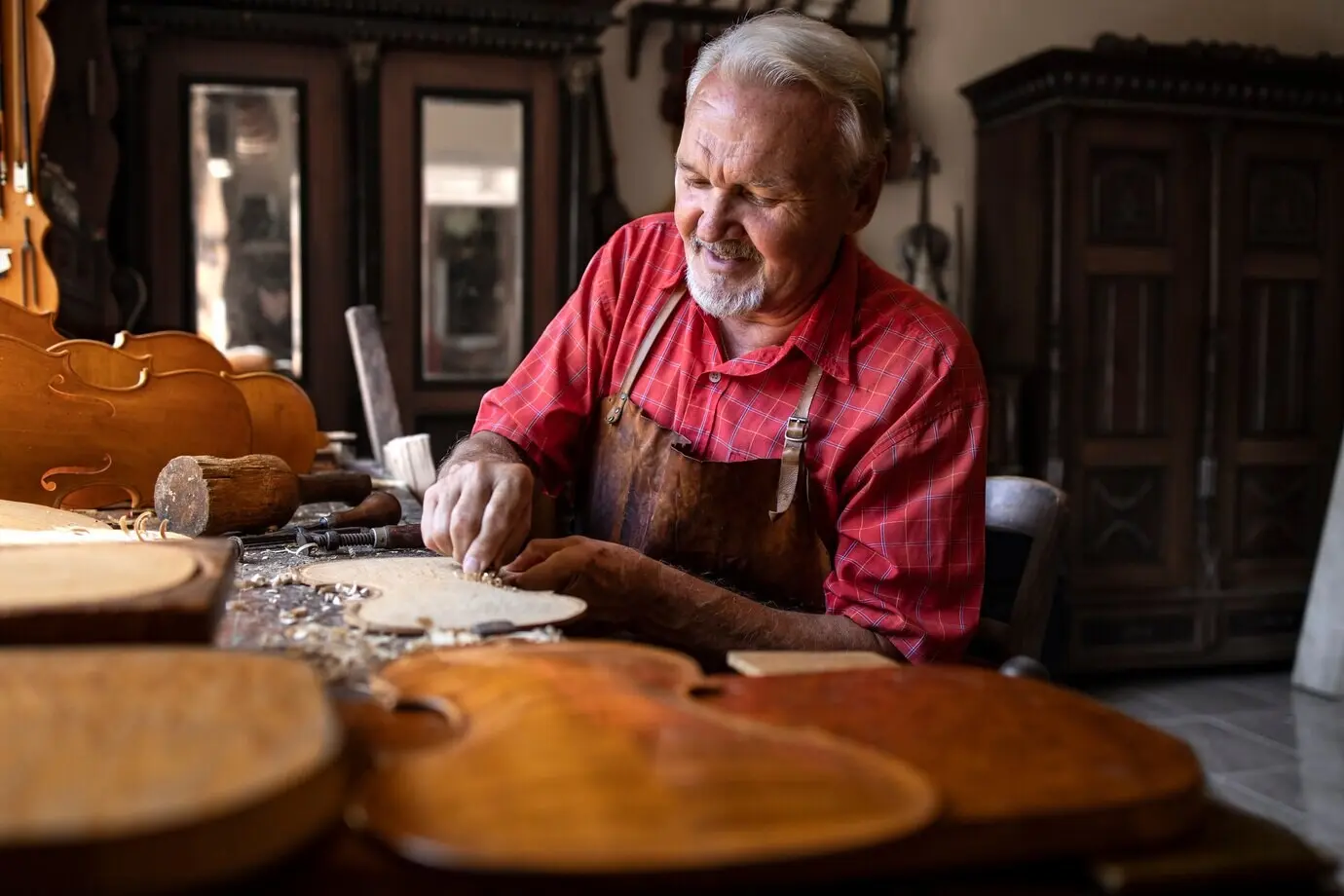
Spoon carvers read stone pine like a map, following lines that curve around knots, not through them. An adze meets green wood with confidence, then steps back for drying. Sharpening is meditation, not maintenance. A quiet bench light reveals tear-out before it grows, and hands learn to trust the sound of fibers parting cleanly. The result is strength without bulk, elegance without fragility, and usefulness that welcomes repair.

Wool, Felt, and Loden

Mountain wool is not silk; it is armor softened by patience. Carded, fulled, and sometimes boiled, it becomes felt slippers that hold warmth like a secret and loden coats that shrug off snow. Dyes from walnut hulls and madder deepen with age, not fade. Each garment is a weather agreement, stitched for decades of frost and drizzle. It invites repairs, patches, and stories, wearing a family’s winters like embroidered constellations.

Milk, Salt, and Silence

Cheesemaking begins in pasture conversations between grasses, flowers, and cows. In wooden chalets, copper cauldrons turn morning milk into curd, stirred by paddles that creak like old doors. Salted wheels migrate to cellars where cool stone and patient brushing conduct slow alchemy. Beaufort arches aromas of hay; Reblochon hints at cellar boards; Tomme speaks of altitude. Silence does the final work, and the rind remembers every day it waited.

Design Language of the Peaks

Forms here answer weather, not fashion. Roofs steepen to shed heavy snow, shingle patterns channel meltwater, and carvings echo ridgelines traced at dusk. Sgraffito facades in the Engadine cut through limewash to reveal geometry bright as frost. Motifs repeat like footsteps on switchbacks—stars, rosettes, braids—guiding the eye along sheltered angles. Beauty lives where necessity meets memory, balancing shadow and light the way a climber balances breath on exposed granite.

Patterns That Map a Ridge Line

A rosette may look decorative, yet it plots sunrise angles learned by herders who counted weather before science instruments arrived. Zigzags echo avalanche paths; braided borders recall ropes coiled on huts. These patterns behave like field notes, condensed into ornament without losing instruction. Reading them is reading the valley: where to place a door, how to align a bench, why an eave stops exactly before a drifting corner.

Color from Minerals, Bark, and Light

Pigments do not shout here; they breathe. Iron tints plaster toward warm ochre, charcoal softens lines, and indigo, once precious, rests in tiny accents like mountain shadows. Walnut husk browns mature into tobacco depth; larch resin deepens amber beneath sun and snow. Palettes shift subtly across decades, revealing maintenance rhythms and care. A house becomes a living swatch book, recording every winter, every repair, every celebration painted by hand.

Architecture That Breathes Weather

Stone at the base, timber above: a formula learned from storms. Shuttered windows manage glare and gusts, and galleries dry harvests while hosting evening talk. Overhangs protect frescoes; raised granaries discourage rodents. Joints are designed for movement, not perfect stillness, acknowledging seasons like respected elders. The result is comfort without excess energy, an architecture of listening, where warmth accumulates graciously and every creak is a reminder of adaptation rather than error.

People, Community, and Transmission

Skills move in circles: from master to apprentice, neighbor to neighbor, elders to curious travelers. Guild traditions and kitchen-table lessons coexist, reinforced by markets, migrations, and celebrations marking the cattle’s descent. Women’s work, long undervalued, holds economies steady through textiles, cheese, and trade. Today’s makers navigate tourism gently, protecting dignity and pricing that honors labor. Continuity is not guaranteed; it is practiced daily through teaching, fair pay, and shared pride.

Apprenticeships on Wooden Benches

A bench becomes a classroom where critique is specific and kindness is precise. Apprentices sweep floors, sharpen blades, and test joinery until muscles memorize angles. Mistakes are not hidden; they are cataloged, turned into reference pieces that prevent future waste. Certificates matter, yet reputation travels quicker along mountain paths. When an apprentice finally signs a piece, the valley recognizes not a graduate but a steward accepting responsibility for materials and names.

Festivals of Descent and Return

Almabtrieb in Austria and Bavaria, Désalpe in Switzerland, Törggelen in South Tyrol—each gathering threads craft into celebration. Bells tuned by hand, embroidered headdresses, carved masks, and woven sashes accompany animals moving between altitudes. Markets bloom with bread, knives, and pottery. Music folds yodels and alphorns into laughter. These festivals are not spectacles alone; they are calendars made visible, reminding everyone how work, migration, and gratitude braid a resilient social fabric.
Sustainability and Slow Journeys

To travel here respectfully, move at the pace of footpaths and local trains. Choose materials with traceable origins, accept small imperfections as proof of human touch, and pay prices that let workshops endure. Bring curiosity, not demands. Your journey’s light footprint allows future travelers to meet the same makers, smell the same wood shavings, and taste cheese that owes everything to unhurried pastures and the careful hands that steward them.

Meeting Makers with Care

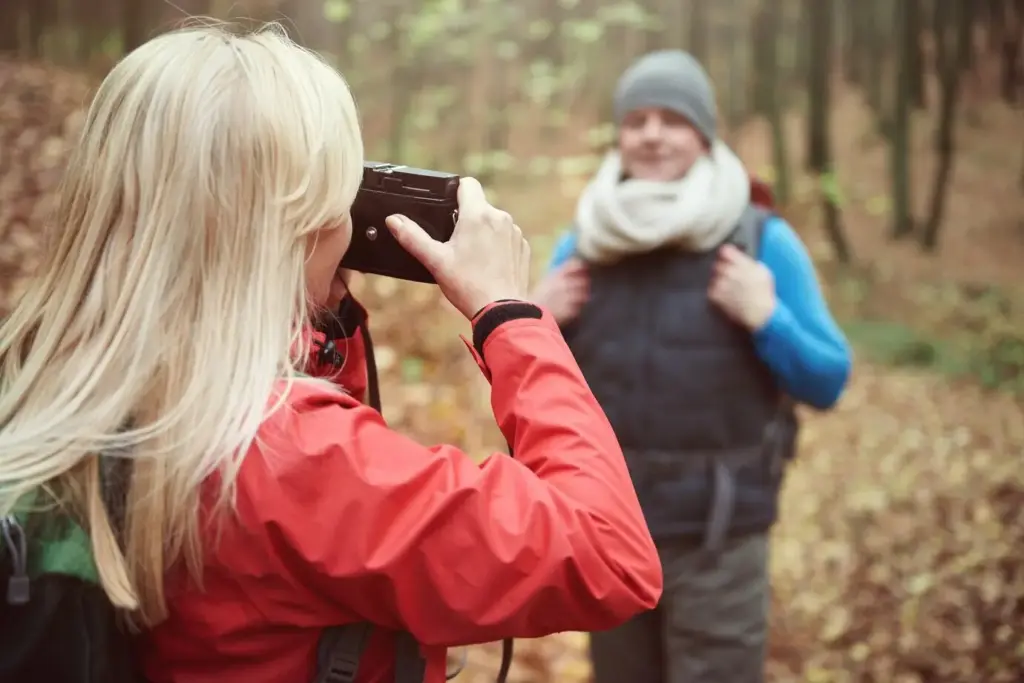
Call ahead, arrive on time, and ask questions that honor experience. Do not photograph without permission; some designs carry family identity. If you purchase, consider how you will maintain and repair your piece. Offer feedback that helps, not hasty reviews. Share contacts for ethical logistics and insurers. Most importantly, listen. The stories you hear often contain the maintenance instructions your object will need during winters far from its birth valley.

Buying for Decades, Not Days

Before purchasing, imagine the item in five winters: where it hangs, how it ages, what repairs it might need. Prefer replaceable parts, natural finishes, and designs that welcome mending. Ask about origin of fiber, wood, and metal. When prices feel high, remember they include fair wages, off-season training, and materials seasoned slowly. Ownership becomes stewardship, measured by how long beauty and usefulness travel together through your household’s changing seasons.

Rails, Footpaths, and Huts

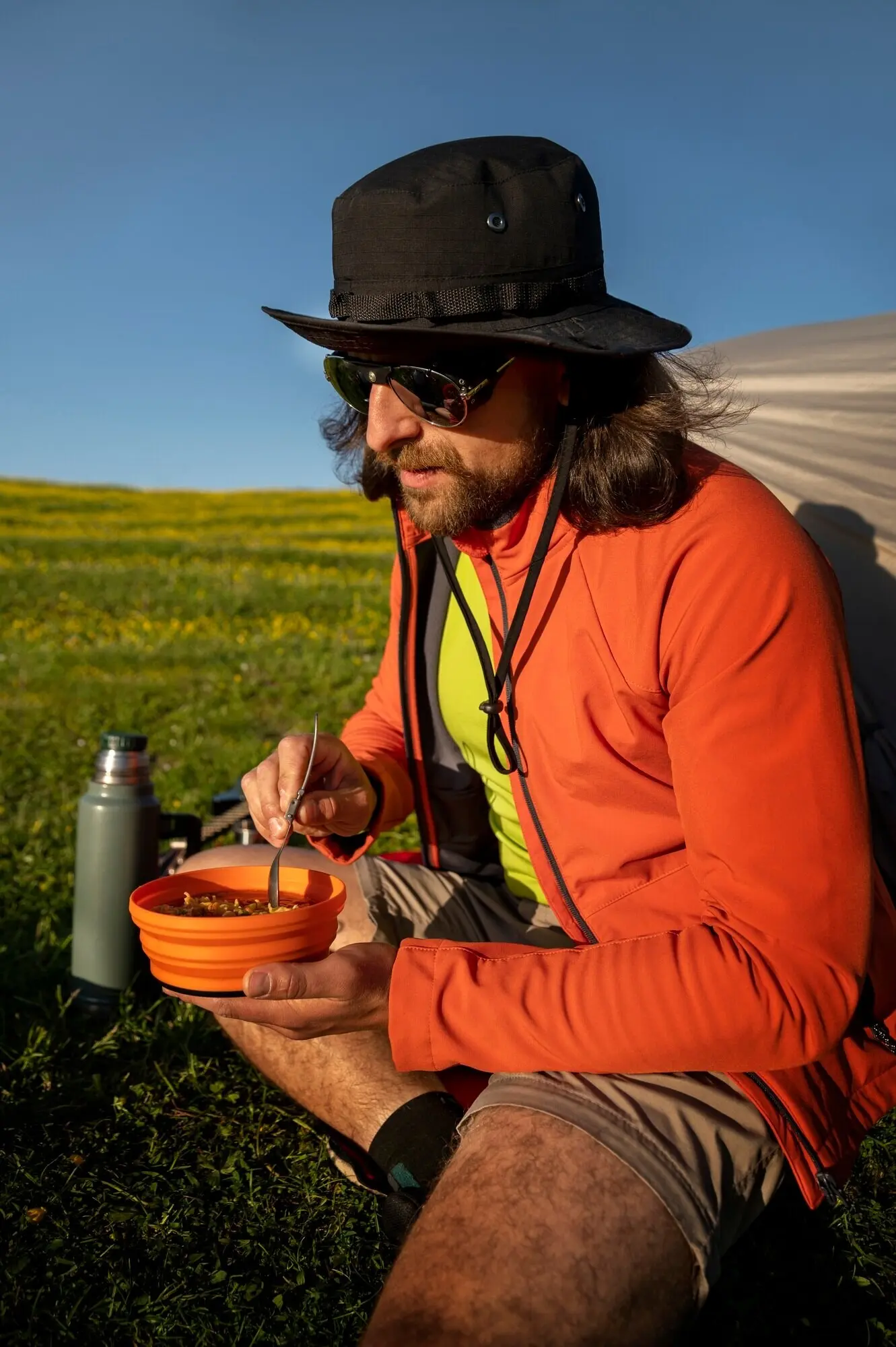
Arrive by train—Bernina Express, Glacier Express, or an ÖBB Nightjet—so you start with a calmer heartbeat. Walk village-to-village trails that share views with haymakers. Stay in huts where breakfasts teach humility and conversation. Pack light, buy local food, refill bottles at fountains, and carry a small mending kit. These choices stretch budgets toward artisans rather than fuel, converting travel time into learning time and memories that smell faintly of resin and bread.

Join the Work: Learn, Share, Support

Carving Your First Spoon

Start with green wood and a safe stance. Learn to read grain, slice rather than pry, and celebrate a clean surface more than speed. Expect blisters and pride. Quench your knife in patience, not water, and accept that your second spoon will teach different lessons than your first. Share photos, ask for critique, and tell us which part—bowl, neck, or handle—challenged you most, so we can suggest exercises and supportive resources.

Weaving a Weather Scarf

Wind a warp inspired by cloud layers, selecting wool that remembers warmth without bulk. Practice even beat, then experiment with leno twists mimicking drifting snow. Embrace small variations as signatures, not flaws. Document drafts, washing temperatures, and drying methods so you can recreate success. Post your swatch stories, swap yarn sources, and join our next virtual studio visit with an Alpine weaver who will answer questions about tension, dyes, and loom ergonomics.

From Meadow to Cheese Wheel

Follow milk from pasture to kettle, noting how flowers translate into aroma. Observe curd cuts, stirring tempos, and how a clean break feels under a fingertip. Brining, brushing, and patience transform flavor far more than any secret recipe. If you try a home version, share your cellar improvisations and humidity hacks. We will compile community tips, connect you with workshops, and celebrate every wheel—perfect or puzzling—as part of our collective learning.
Zavepapuparonazonuka
Privacy Overview

This website uses cookies so that we can provide you with the best user experience possible. Cookie information is stored in your browser and performs functions such as recognising you when you return to our website and helping our team to understand which sections of the website you find most interesting and useful.